A learner finishes a simulation, but the network drops before the result is saved. The page shows a score; the course system shows no attempt. This is the failure to design for before choosing the visual environment.
Define the assessment contract
Specify the task, permitted actions, scoring rules and retry policy. Decide which events matter and which are only visual interactions. A camera rotation usually should not affect a learner’s result.
Have the learning team review whether the simulation actually measures the stated skill. Provide an equivalent assessment route where the interface would otherwise create an unrelated access barrier.
Give an attempt a server identity
Create an attempt record before accepting assessed work. Save meaningful checkpoints and show whether they have been confirmed. Repeated submissions should refer to the same logical action rather than creating duplicate results.
For consequential assessments, validate scoring inputs on the server. Do not treat a browser-supplied “passed” flag as proof. Decide what evidence is retained, who can review it and when it is deleted.
Rehearse recovery
Test refresh, reconnect, two open tabs and a submission sent twice. Explain when an attempt can resume and when it requires a new start. Avoid silently resetting progress after a visual asset fails.
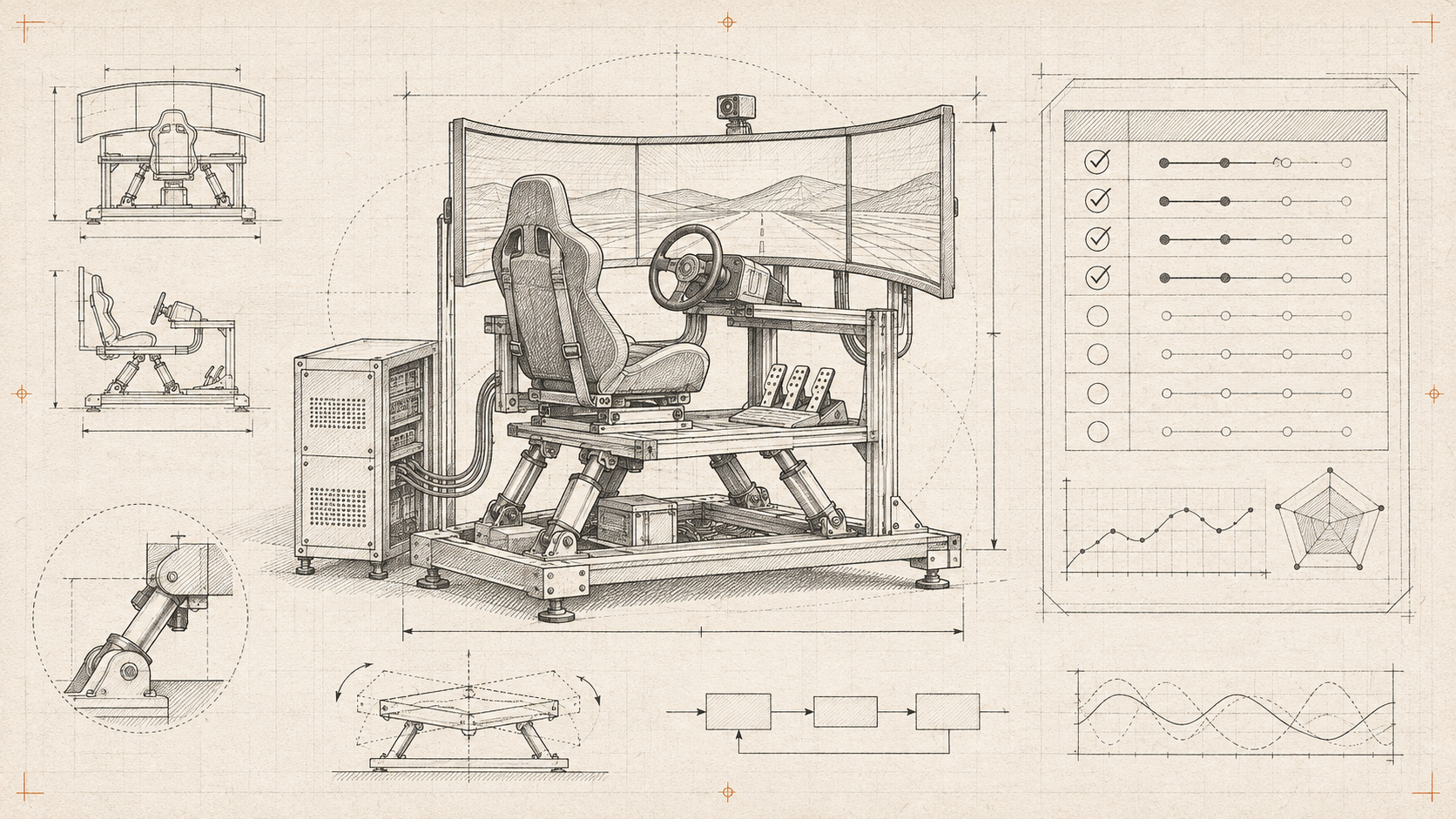
Use the 3D environment only where spatial interaction is part of the skill being assessed. A reliable attempt record and clear feedback are more important than an elaborate scene that cannot explain how a result was reached.