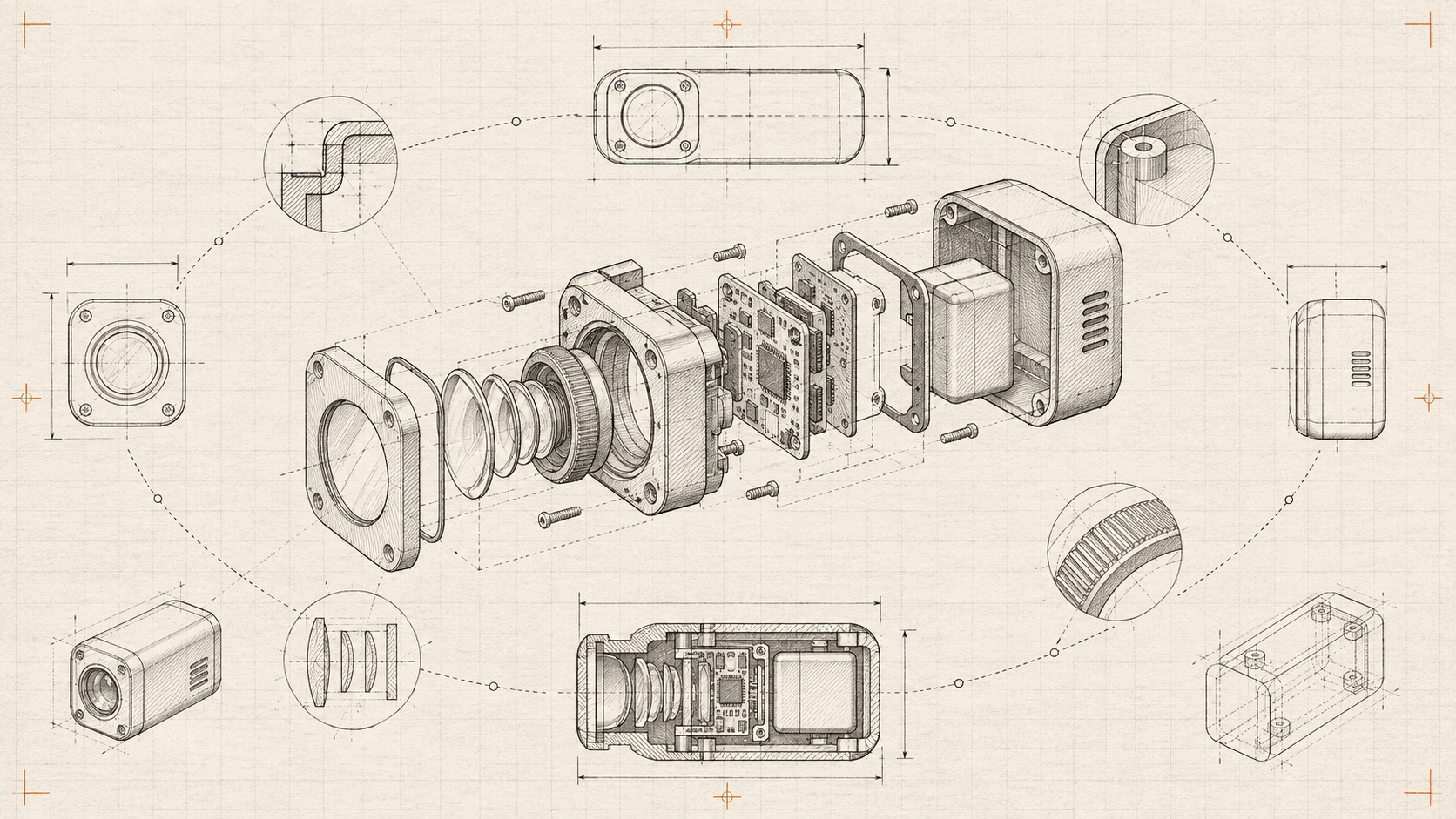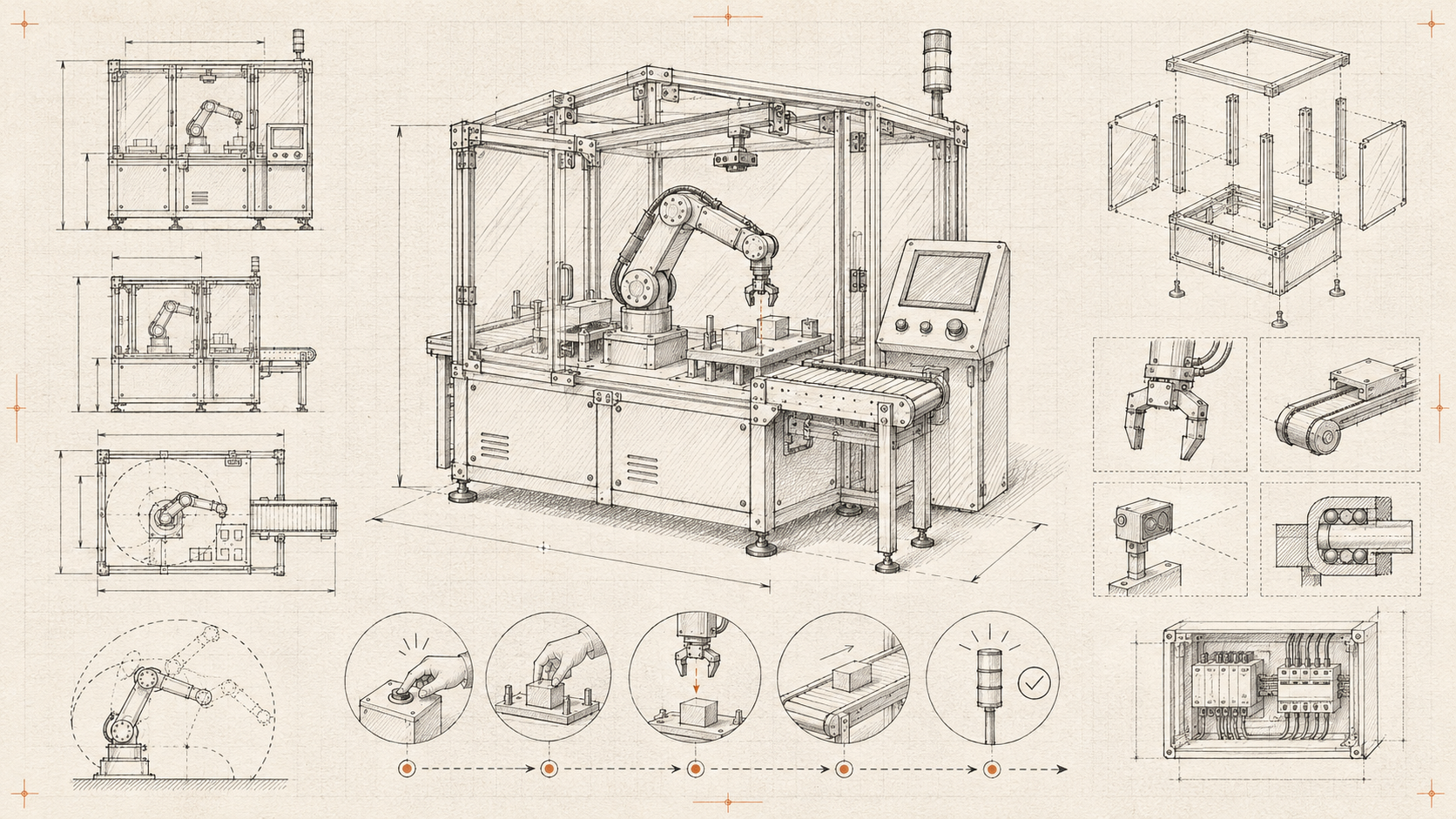
A learner can rotate a machine model for five minutes without learning how to operate it. Interaction is not automatically practice. Start by describing what the learner should be able to do afterwards.
Turn the objective into an action
Choose one observable task: identify a component, follow a sequence or diagnose a fault. Define what a correct attempt looks like. Then decide whether a diagram, video or 3D simulation best supports that action.
For a maintenance lesson, for example, the meaningful interaction might be selecting the next safe step. Rotating the equipment is only a supporting control.
Design feedback before scoring
Explain why a choice is appropriate and what to reconsider after a mistake. Let learners retry without losing the context. Provide a text route through the same concepts for people who cannot use the scene.
AI can help draft scenarios, but a subject specialist should review technical instructions and consequences. Do not publish a plausible generated procedure as approved operating guidance.
Save progress deliberately
Separate opening the lesson, completing practice and passing an assessment. Record progress on the server when it matters for course completion. Make repeated progress submissions safe and plan for interrupted connections.
Try a learner who leaves midway, returns on another device or uses only a keyboard. Ask them to explain the decision they practised. That tells you more about the lesson than counting clicks on a model.